
Am I just getting blasé?

This weekend, I decided to switch gears and visit the Musée du Jeu de Paume in Paris. Many years ago, long before the old train station across the Seine became the Musée d’Orsay, the Jeu de Paume was dedicated to Impressionist painting. Today, it is a space entirely focused on photography and visual arts.
The first of the two exhibitions currently on display is Fragile Beauty: Photographs from the Sir Elton John and David Furnish Collections. Originally produced by the V&A in London to showcase roughly 300 prints from world-renowned photographers from 1950 to today, the Jeu de Paume presents a curated selection. It features heavyweight names like Robert Mapplethorpe, Herb Ritts, Nan Goldin, Diane Arbus, William Klein, Ryan McGinley, Ai Weiwei, Irving Penn, and Richard Avedon.
I was eager to see it. After all, this is one of the largest private collections in the world: over 7,000 images built over a lifetime. Exiting the métro, I was greeted by a classic, magical Parisian vista, and I took that moment as a promising appetizer for what was to come.
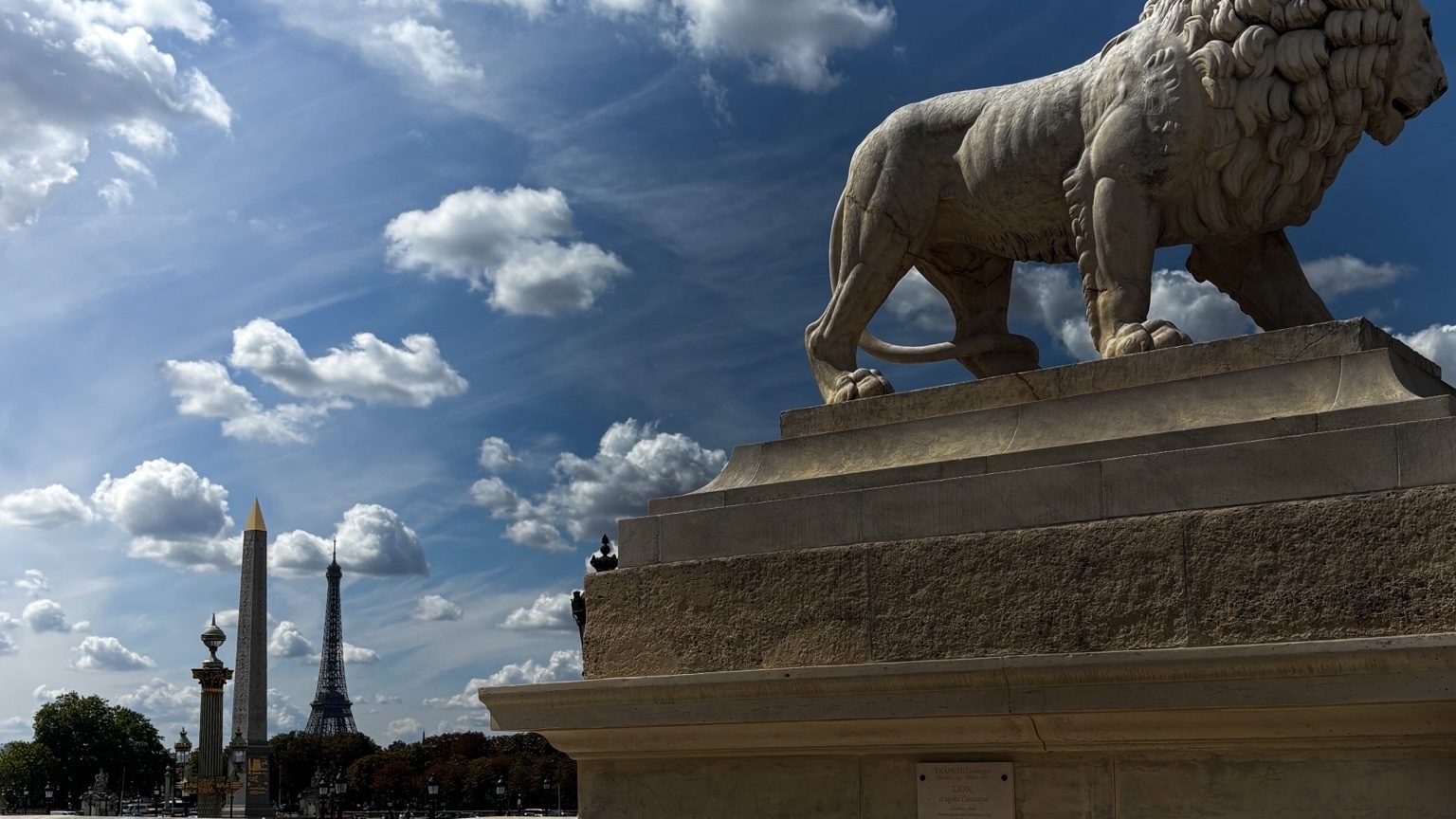
Paris vista
However, the Jeu de Paume isn’t nearly as vast as the V&A, and with two exhibitions sharing the building, we were only offered a glimpse of Fragile Beauty.
I’ll be straightforward: I was not particularly impressed.
Not because the images weren’t striking or iconic. They were. But that was precisely the problem. It felt like a lineup of photographs we’ve seen time and time again across books, media, and retrospectives. There was no thrill of discovery.
The scenography was fairly bland: five rooms, five predictable themes. "Celebrity" featured the usual portraits of Marilyn, James Dean, Sinatra, Ella Fitzgerald, and MLK. "Fashion" had the quintessential Vogue shots from Avedon and Penn. "Reportage" and "Identity" showcased powerful, yet ubiquitous images of protests, war zones, and societal crises.
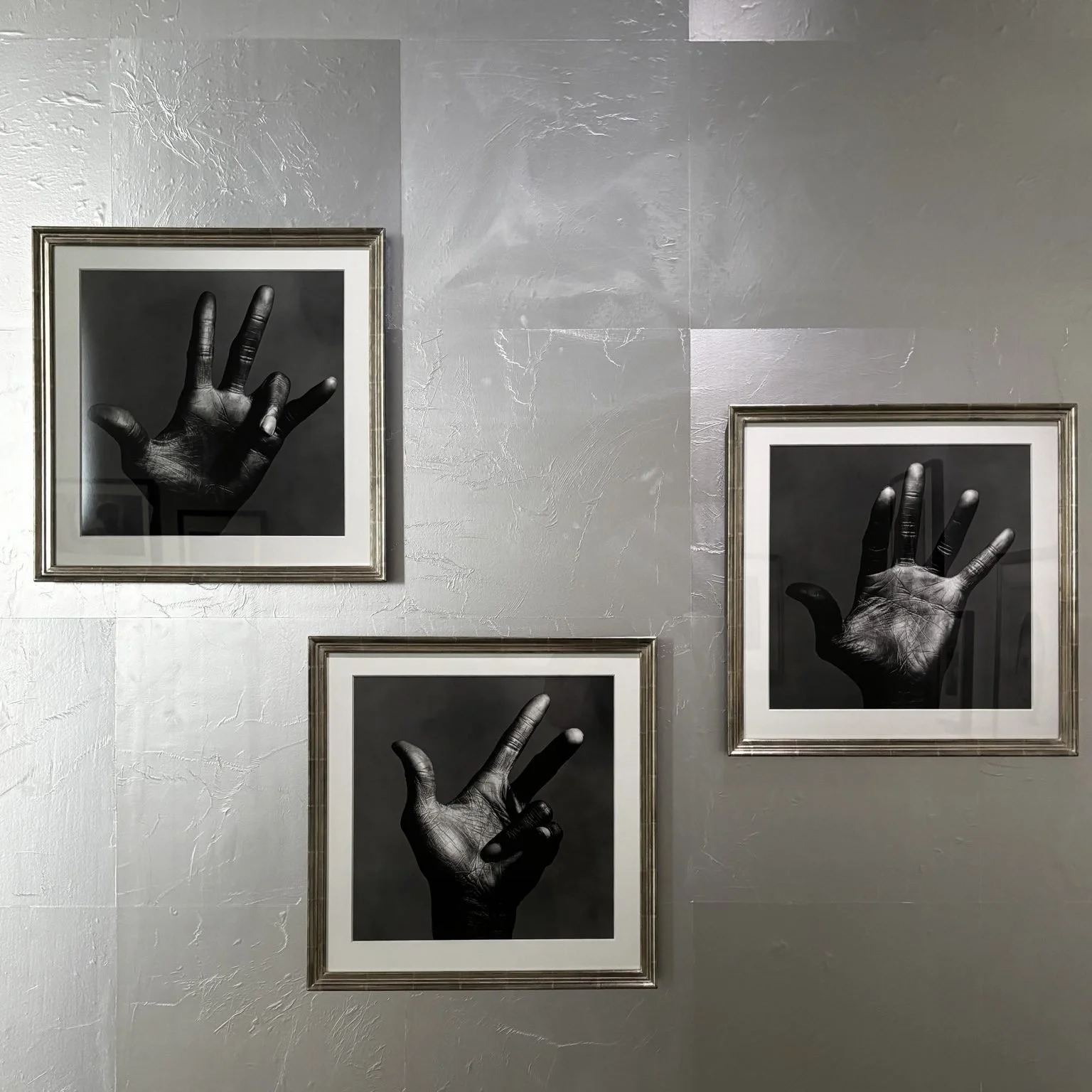
Irving Penn, The Hands of Miles Davis
The only room with a touch of creative scenography was dedicated to "Desire": male beauty and nudes lined the outer walls, while an inner white cube shielded sexually explicit content. Mostly sex, drugs, and rock 'n' roll from the 60s and 70s. Work that was underground and provocative back then, but rather tame by today’s standards.
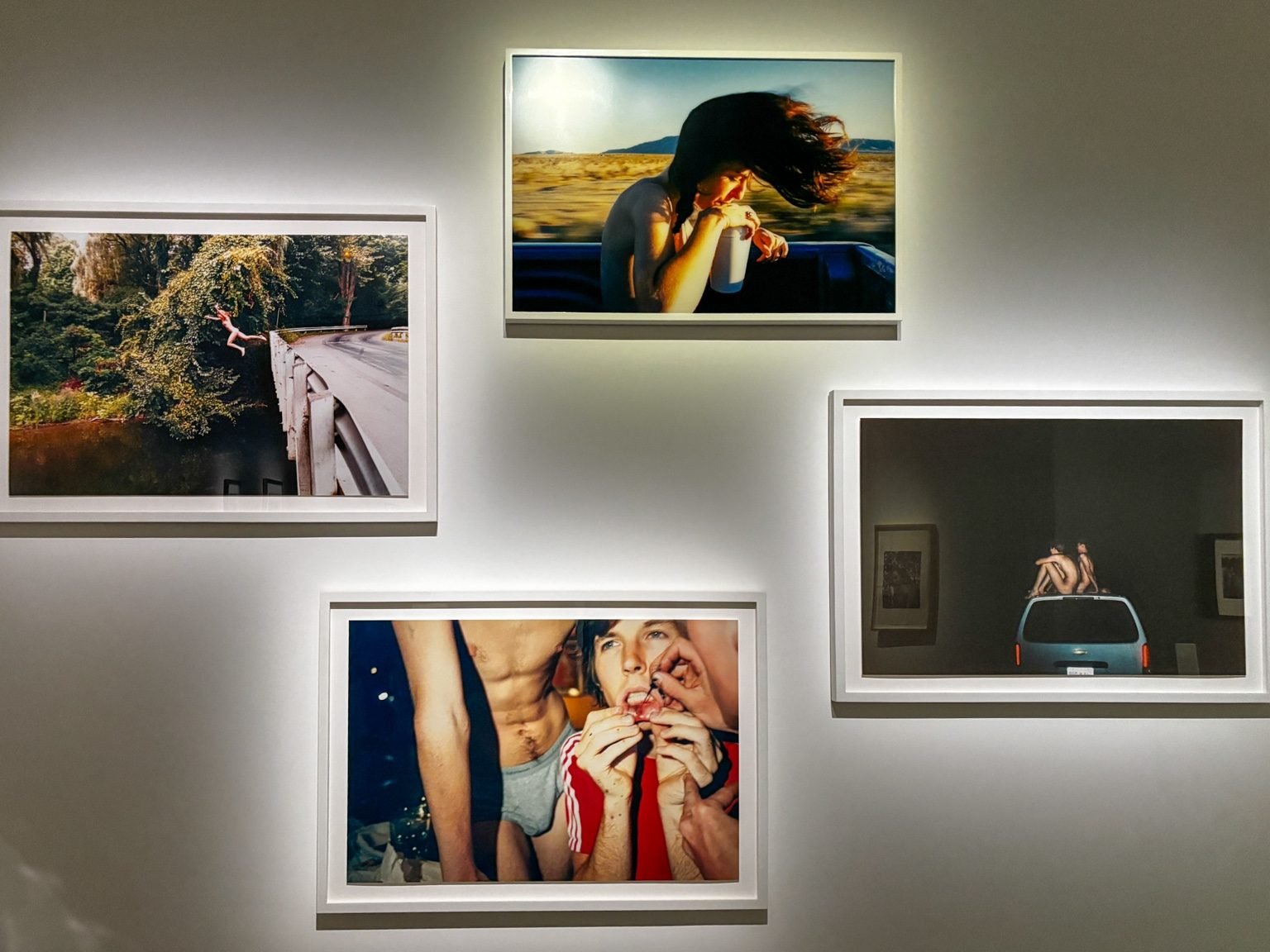
Ryan McGinley
Ultimately, the exhibition is a solid testament to an era and a fascinating peak into the taste of a mythical collecting duo. But whether due to the double curation (a selection of a selection) or a layout that tried to pack too many frames into a limited space, it missed the mark for me. It would have been far more compelling to see lesser-known gems from the 7,000-piece collection, given room to actually breathe on the walls.
Then again, that’s just my personal taste. I’m sure many visitors were delighted to admire some of the most iconic prints of the last 75 years all in one place.
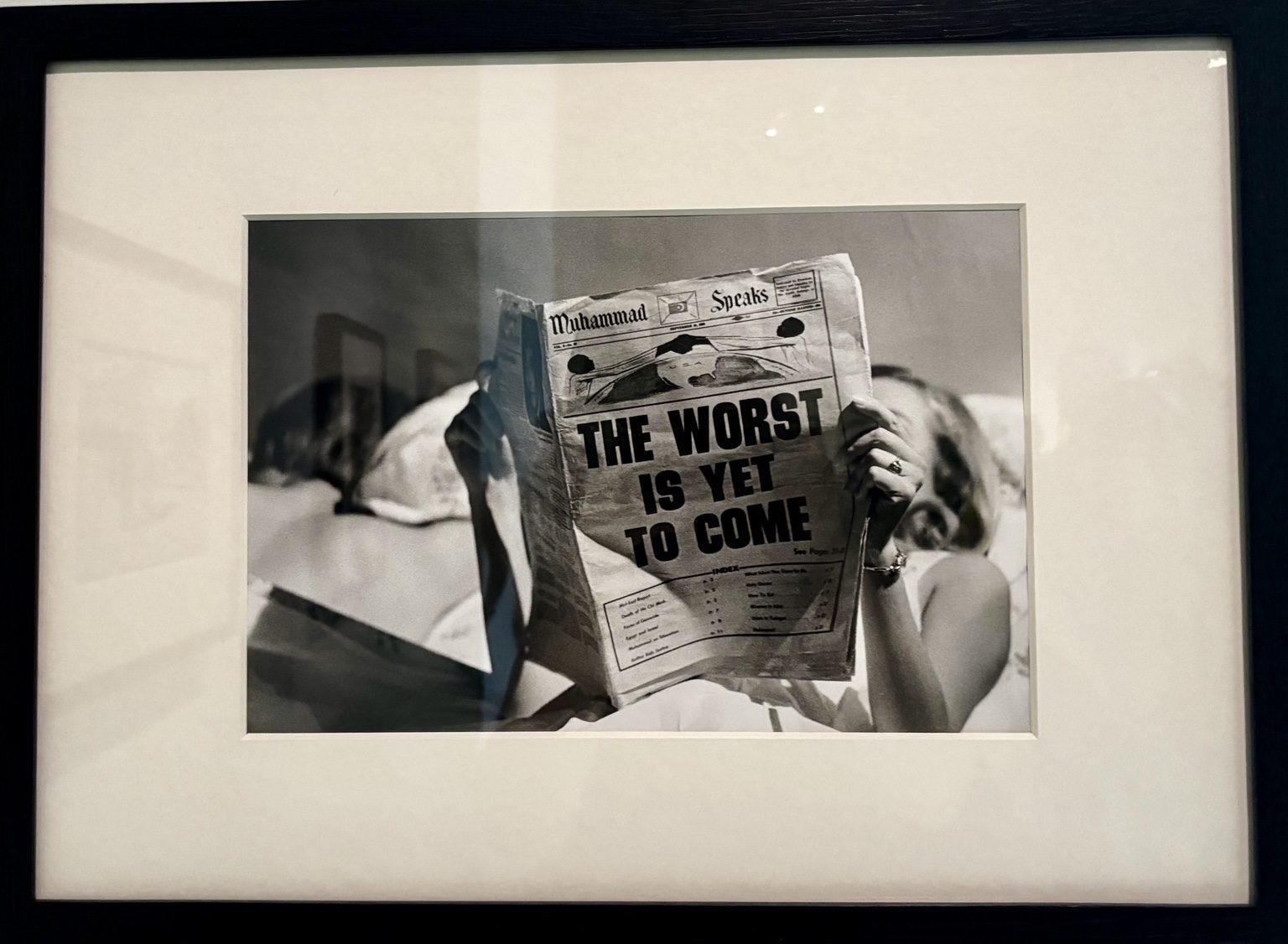
The worst is yet to come
The second exhibition was entirely devoted to Madeleine de Sinety. The exhibition text itself notes that her "unique photographic work, in colour and black and white, is still relatively little-known, even though it spans four decades and two continents: Europe (France) and the United States."
Well, to be blunt once again: it’s not particularly surprising that it remains little-known.
She shot over 50,000 photos during her lifetime, and "this exhibition showcases several series of photographs, most of which have never been shown before." Sure, out of 50,000 frames, a handful on display possess genuine photographic quality. She had solid technique and her fair share of lucky shots.
What I struggle to understand, however, is how work like this gets prime real estate in a prestigious Parisian venue, while fiercely talented contemporary and historical photographers fight tooth and nail just to get exhibited.
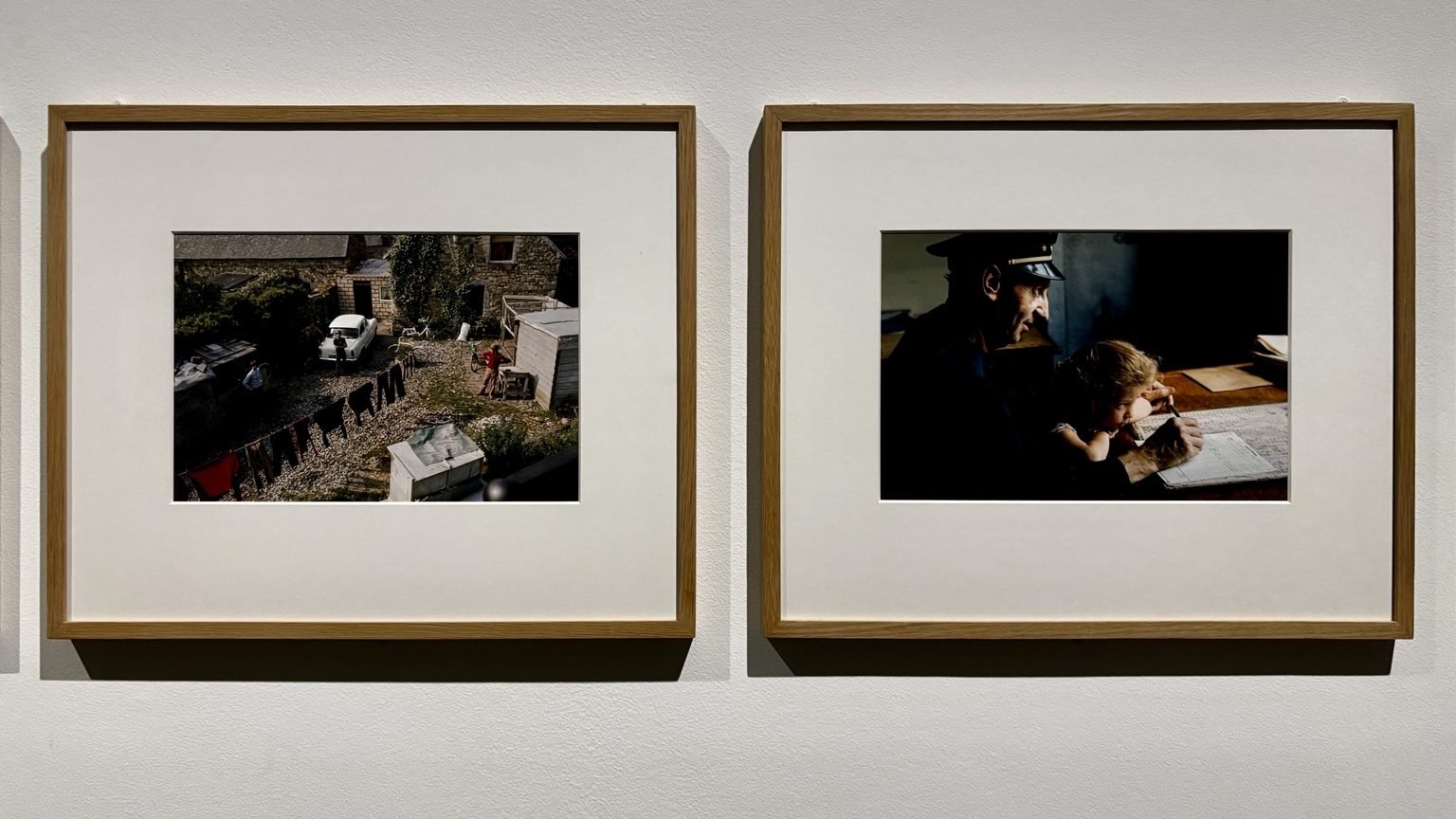
Madeleine de Sinety
Then again, she ticks all the right boxes: nostalgic rurality, dignified poverty, black-and-white portraits of local mannerisms, a French woman exploring the Americas, a well-connected family and husband... Marie-Antoinette with a camera, capturing the "real" lives of French peasants and railway workers.
To be entirely frank, I’ve seen portraits of cows with far more expressiveness in tiny micro-exhibitions.

