
The Photobook Game: Pay-to-Play and Reality Checks

Les Rencontres d’Arles is where you see a lot of photography exhibitions. It is also where you see tons of photobooks.
Like many others, I had been wondering: why so many?
I came to Arles eager to learn more about photobooks and the publishing industry. I wanted to understand the key drivers, fully expecting to discover state-of-the-art creative and artistic editions that would fill me with awe and emotion.
I found neither.
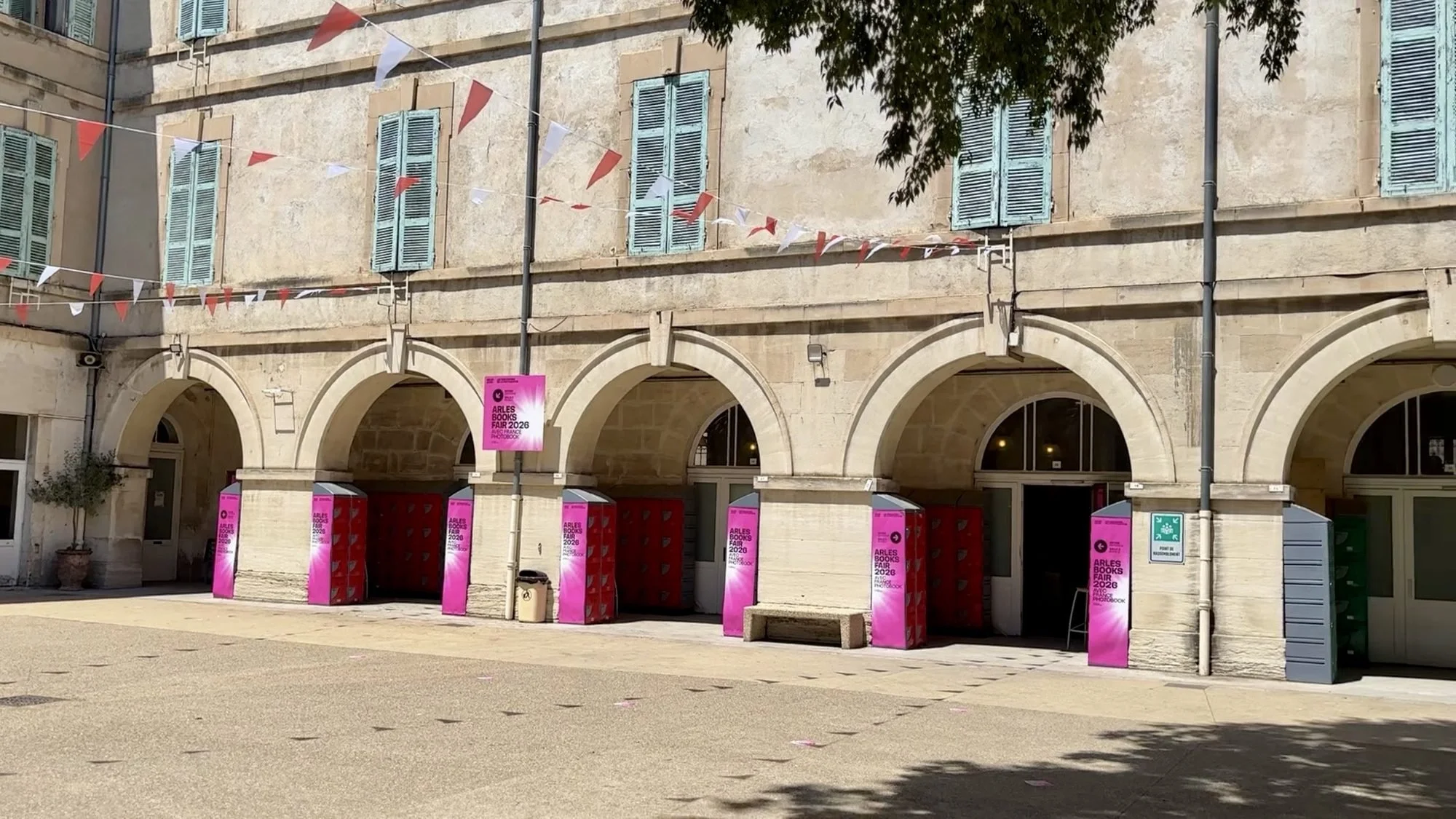
Arles Books Fair 2026
Not that I wasn’t trying. I went to the Arles Photo Books Fair several times, exploring every single booth and talking to publishers, photographers, paper makers, and fellow visitors. I went to Offprint. I spent hours browsing photo bookstores, both established and ephemeral. I looked at the books on display across galleries participating in the On and Off programs, and I attended photobook award events.
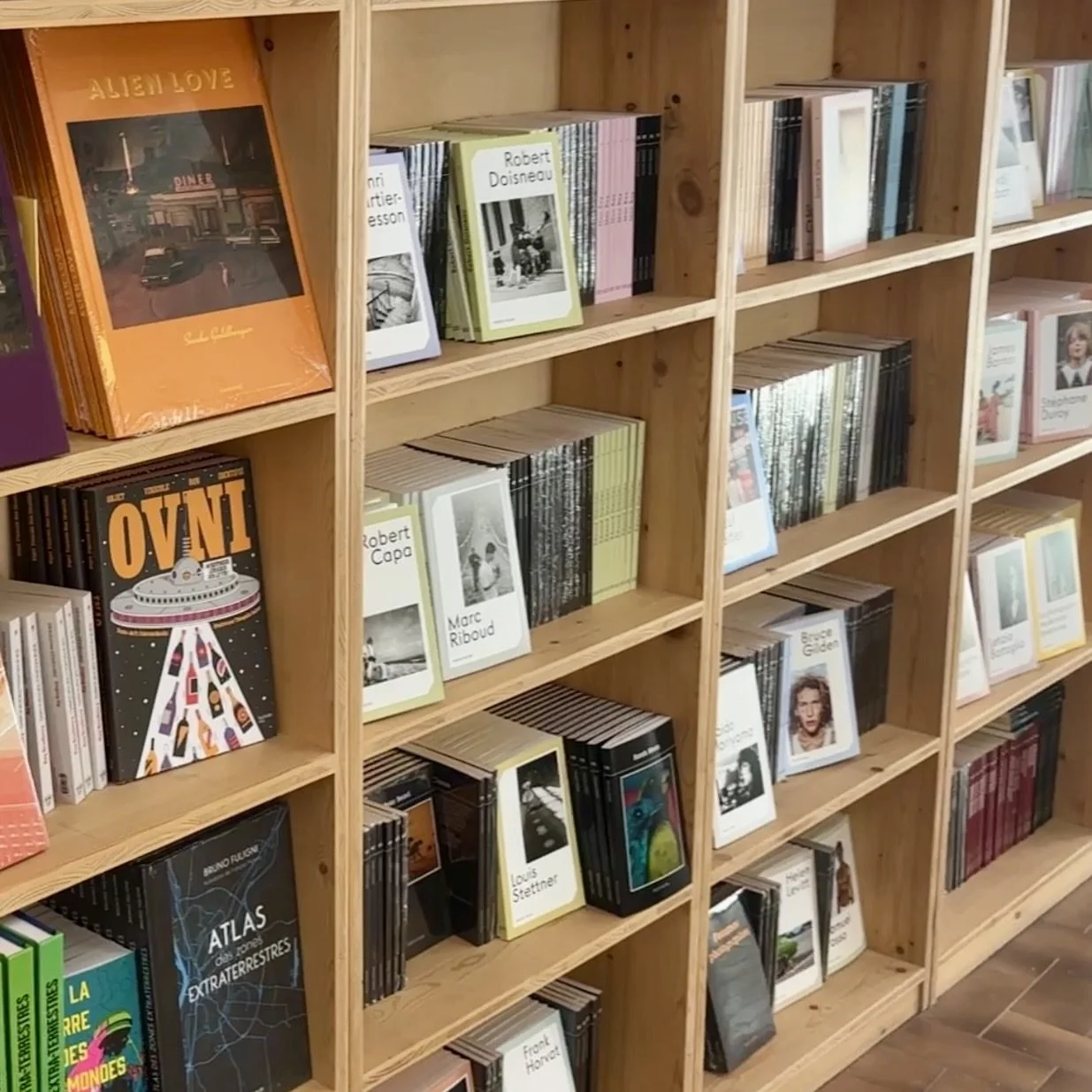
Ephemeral Actes Sud bookstore at Croisieres
I also asked industry experts the hard questions: Why are there so many photobooks? How come they so often feel mainstream and conservative? And how is pricing set, when it seems to defy logic?
The answers I got were mostly along the lines of: "Well, it’s complicated." Or: "Oh, publishing is a completely different world."
So I thought it was time to put on my "business consultant" hat and come up with my own half-baked answers (properly dressed up as an in-depth analysis and leading practice recommendations, of course). Except this time, I won’t be collecting hefty fees, and I won’t be presenting the results in a boardroom.
Market Dynamics
This is where I should normally look at quantitative data like market size, CAGR percentages, and emerging trends. But let’s skip the data analytics, I don’t want to bore you. I didn’t need extensive market research to conclude that supply is massive and demand is low.
Customer Analysis
This is where things get interesting.
Most people assume the primary customers of the photo publishing industry are the general public. And to some extent, they are, at least on paper. They are the target end-clients: the ones who buy a photobook to proudly display on their coffee table or add to their library.
But after spending time in Arles, my feeling is that a massive portion of the true customer base is actually the photographers themselves.
Think of it as a closed-loop ecosystem, where most of the revenue is generated at the intermediary level.
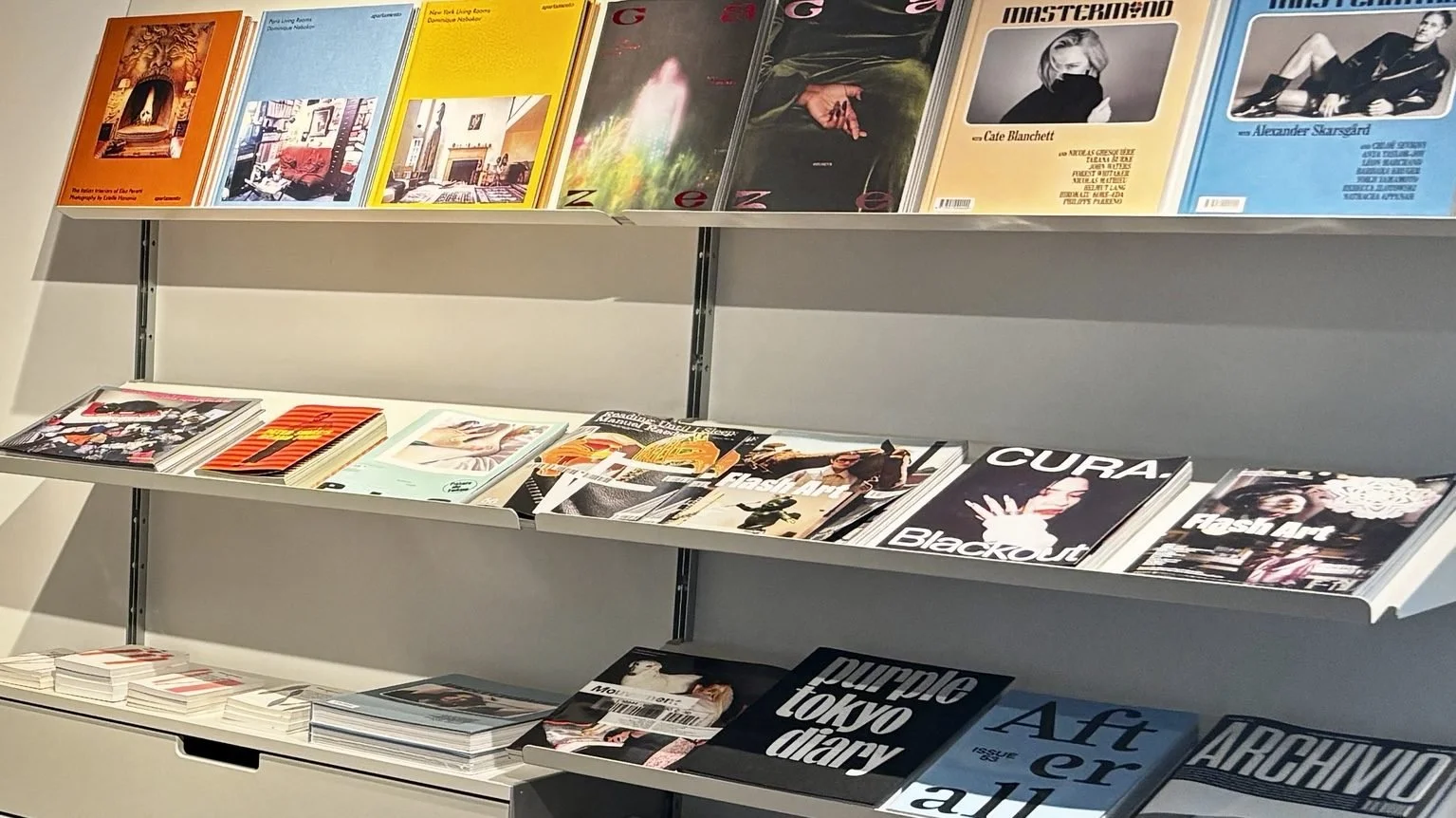
LUMA Bookstore
Putting aside a handful of bestselling photographers with solid publishing deals, the system is almost entirely pay-to-play. The ones consistently turning a profit are the printers. Publishers used to as well, but with the rise of accessible editing and self-publishing tools, their traditional gatekeeping role is shrinking. They still control broader distribution networks, though even that advantage is evolving in today's digital economy.
Massive supply, sluggish demand.
You might wonder why prices remain so sky-high under those dynamics. The answer is straightforward: production economics. Producing a physical photobook requires high-grade ink, specialty paper, precision printing, and binding. The smaller the print run, the higher the unit cost. That’s how you end up seeing a mere 16-page stapled booklet priced at €35, sitting right next to a full-length hardcover at the exact same price.
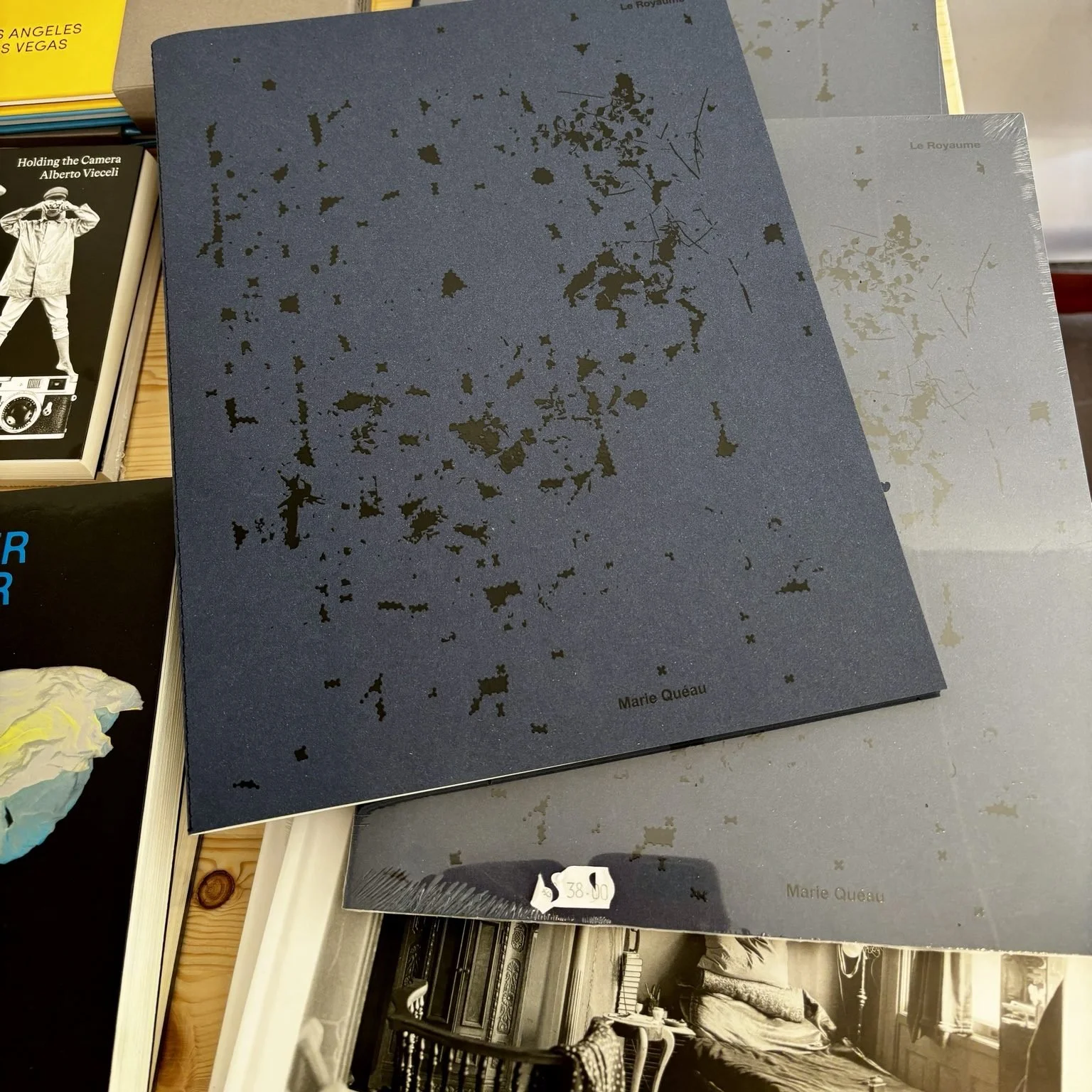
OffPrint Event
It also explains several design trends currently masquerading as artistic choices:
Paper-mixing: Separating text onto distinct inserts allows publishers to downgrade paper and printing quality.
Minimal layout: Text is kept intentionally short or printed in micro-fonts to save layout space.
Selective quality: Only a handful of key images get full-bleed, high-grade treatment, while the rest settle for standard offset.
The "raw" aesthetic: That grainy, "recycled" paper vibe? Often the ultimate cost-cutting trick, neatly repackaged as sustainable design.
So, what’s the bottom line?
When an economic model stops functioning efficiently, alternative solutions inevitably emerge. Of course, the current status quo will persist for a while. Incumbents will keep feeding the machine, doing their best to convince photographers that traditional publishing remains the only respectable path.
And photographers don’t have many options. They need to monetize their work to make a living. Digital images on a smartphone screen are consumed for free. Selling original prints or securing gallery shows remains an uphill battle for most. In that landscape, photobooks are still viewed as a critical potential revenue stream.
So, now that I’ve taken your watch to tell you the time:
What will actually make a photobook sell in today’s market comes down to sharp market differentiation, strategic repositioning, precise audience alignment, and a realistic pricing strategy.
To be discussed another day, maybe.

