
Ode to grey

“The Mediterranean’s blue grey waters hold secrets of centuries past, whispered through the waves.”
Last Saturday was dedicated to catching up on exhibitions that were high on my priority list, but that I simply had no time to visit during my fully packed week at Les Rencontres d’Arles 2026.
The two shows I absolutely wanted to see were hosted at the Montmajour Abbey, a marvelous location in its own right. Picture a rocky outcrop set between Arles and Tarascon, chosen by hermits around the turn of the year 1000, which expanded over the next four centuries into a troglodyte hermitage and then a sprawling Provençal Romanesque abbey.
Passing through the thick stone entrance, you plunge into the inner crypt before walking up a long incline to emerge onto the main church floor.
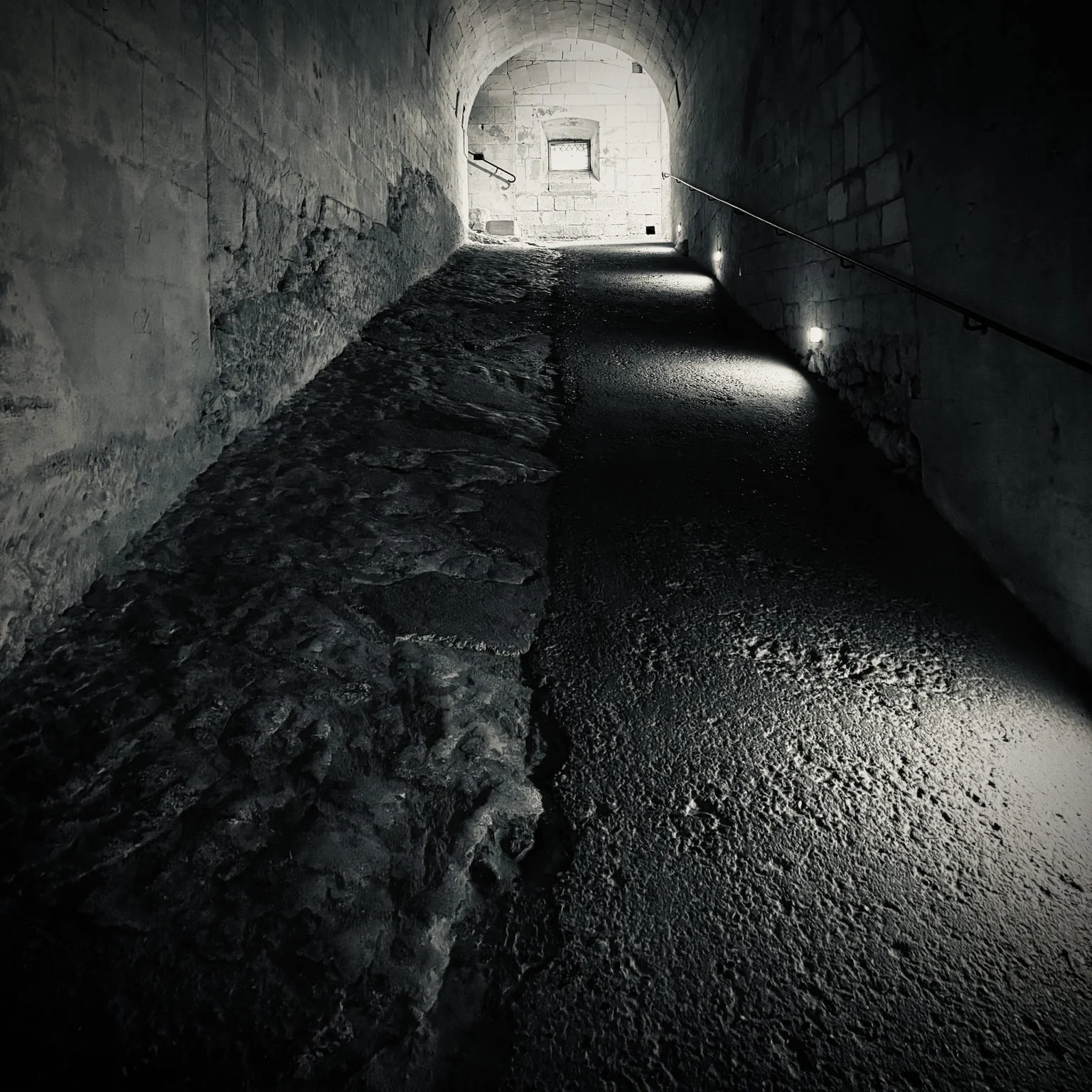
The ambulatory opening
From there, you reach the medieval cloister. The exhibitions are nested inside the monastery’s former kitchen and refectory.
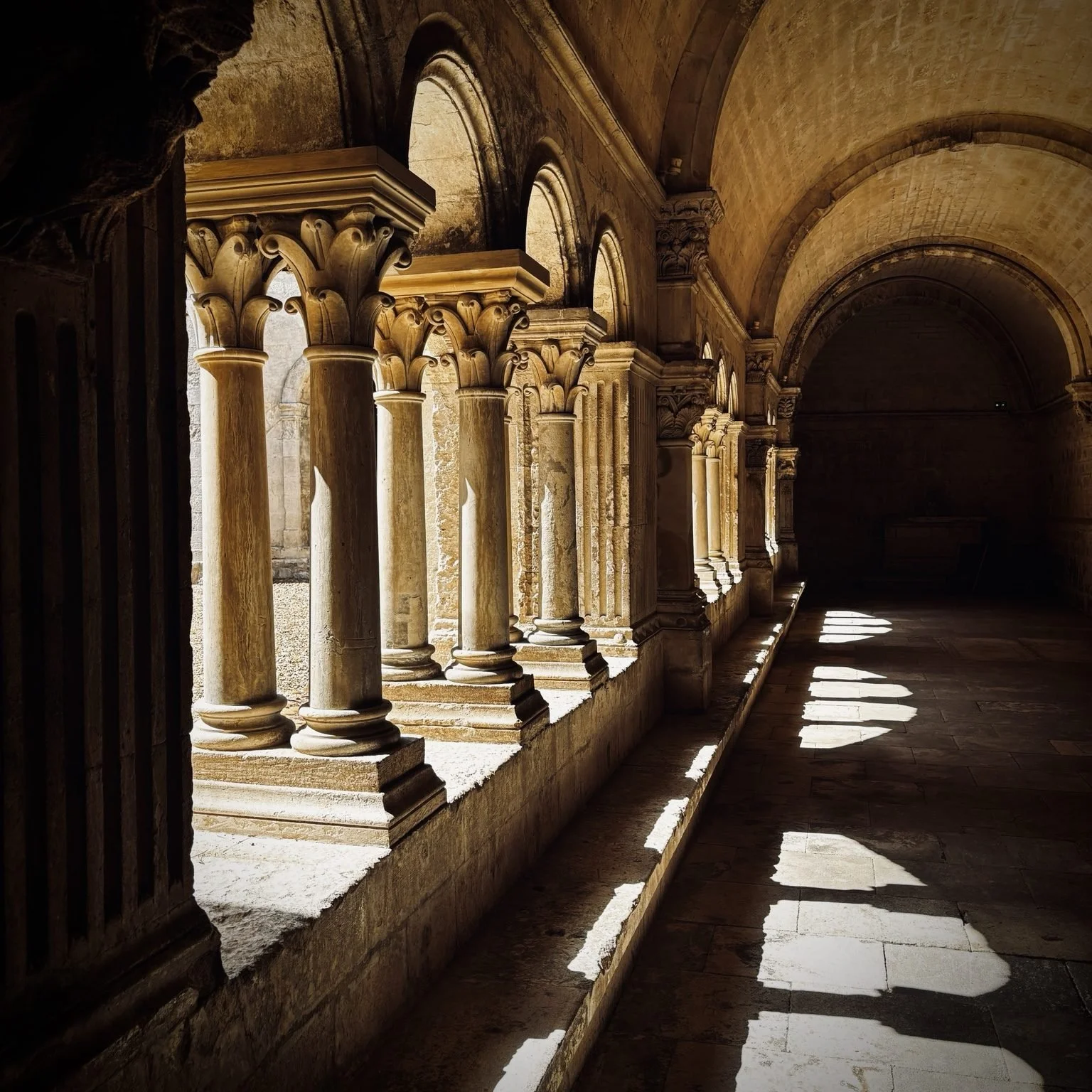
The cloister
The first exhibition was by Anne-Lise Broyer. Did I ever tell you that grey is now my favorite color?
Her photographs from across the Mediterranean are remarkably delicate yet profoundly strong. You travel with her through North Africa, the Middle East, Italy, Greece, and Turkey. You encounter places and people from yesteryear and today, plunging into that same sea from a dozen different shores. While most people rave about the unique blue of the Mediterranean, she reveals the infinite, subtle shades of its grey waves.
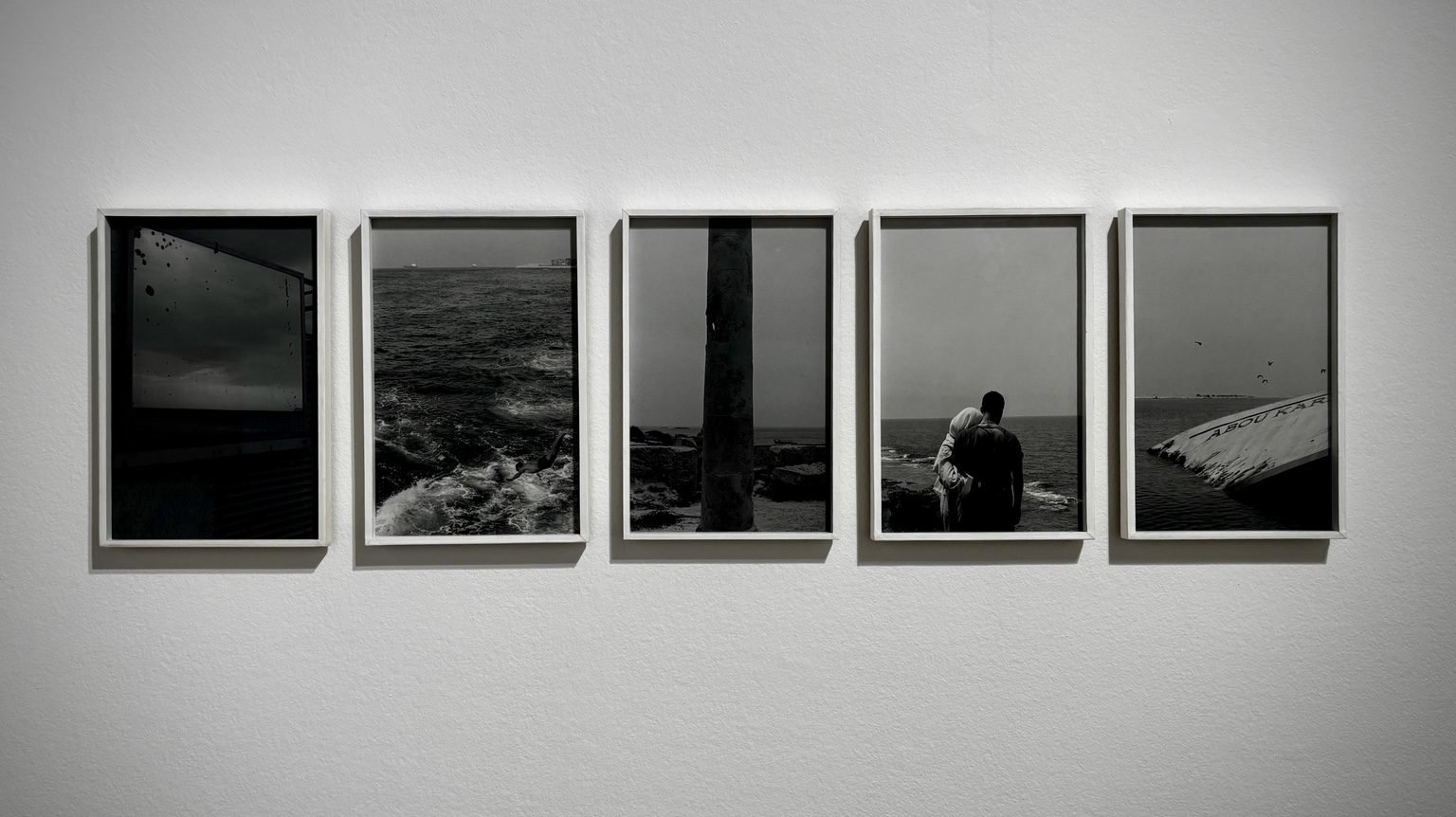
Anne-Lise Broyer /1
It’s an exhibition designed for wandering and meditation. A space to reflect on its ancient name: Mare Nostrum, "our sea," a shared common good uniting cultures and people across the centuries.
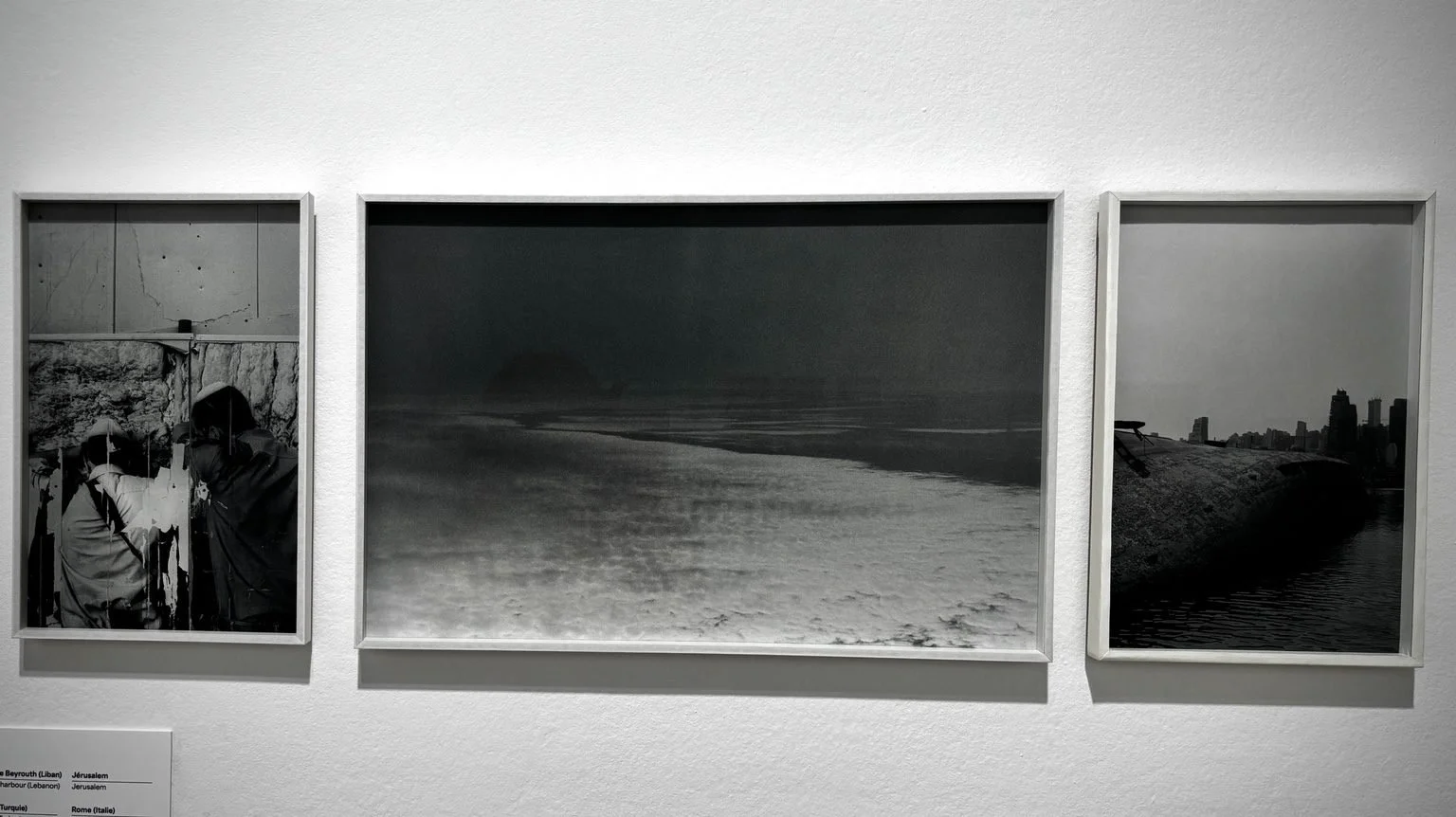
Anne-Lise Broyer /2
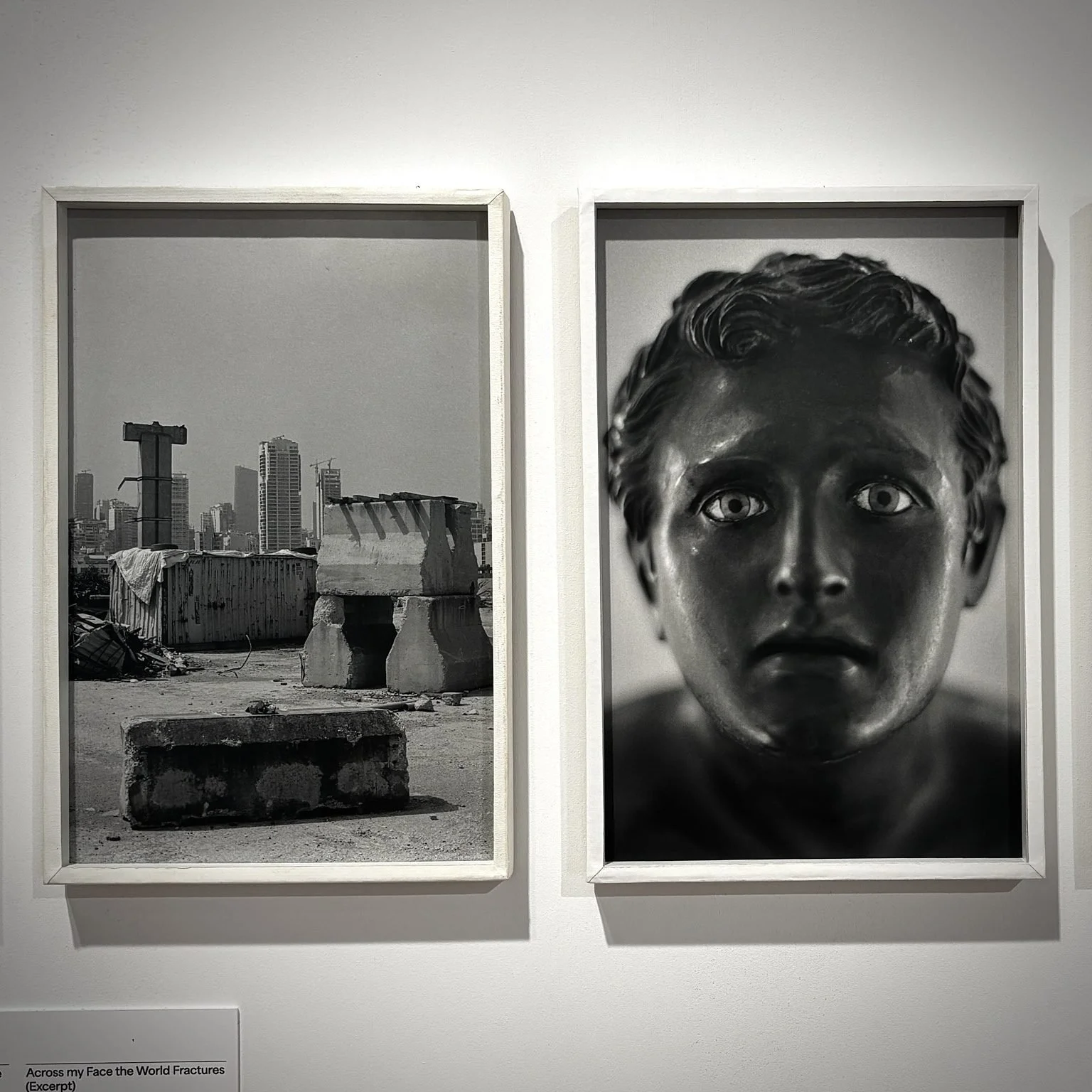
Anne-Lise Broyer /3
The second exhibition, by Ayana V. Jackson, offered a completely different register. Her large-format prints are visually striking and impeccably presented, tackling crucial themes around colonial archives and the reclaiming of Black female identity. The research and narrative behind her imagery are undeniably strong and compelling.
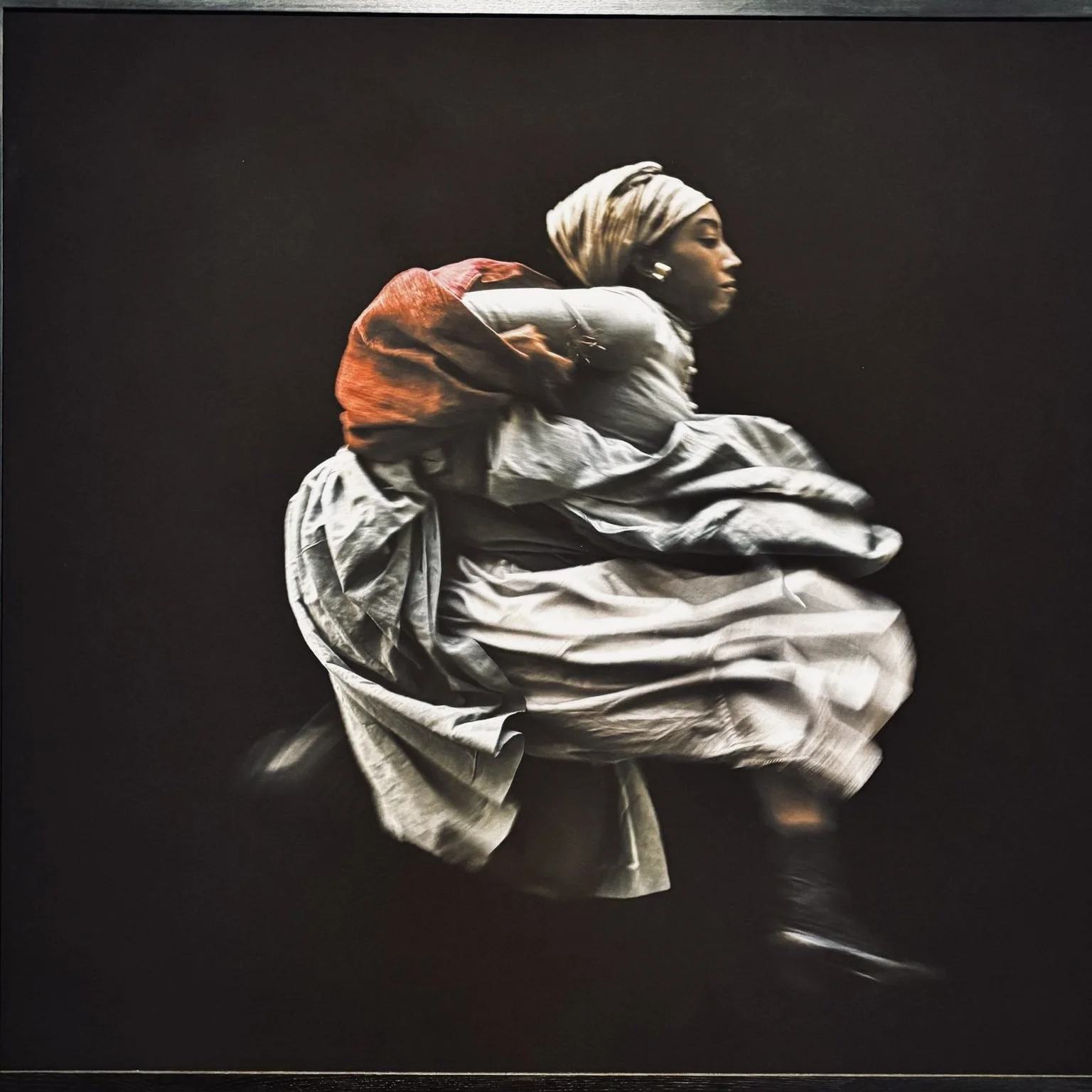
A.V. Jackson /1
Yet, it confirmed something I’ve come to realize over time: I am rarely moved by staged photography on a gallery wall. I left the exhibition with a distinct taste of something missing. The story she wants to tell is powerful, and I wanted to know more—yet the framed prints alone felt insufficient. Her project feels like it needs the depth of a book, an essay, or a documentary film to truly breathe and reach its full potential.
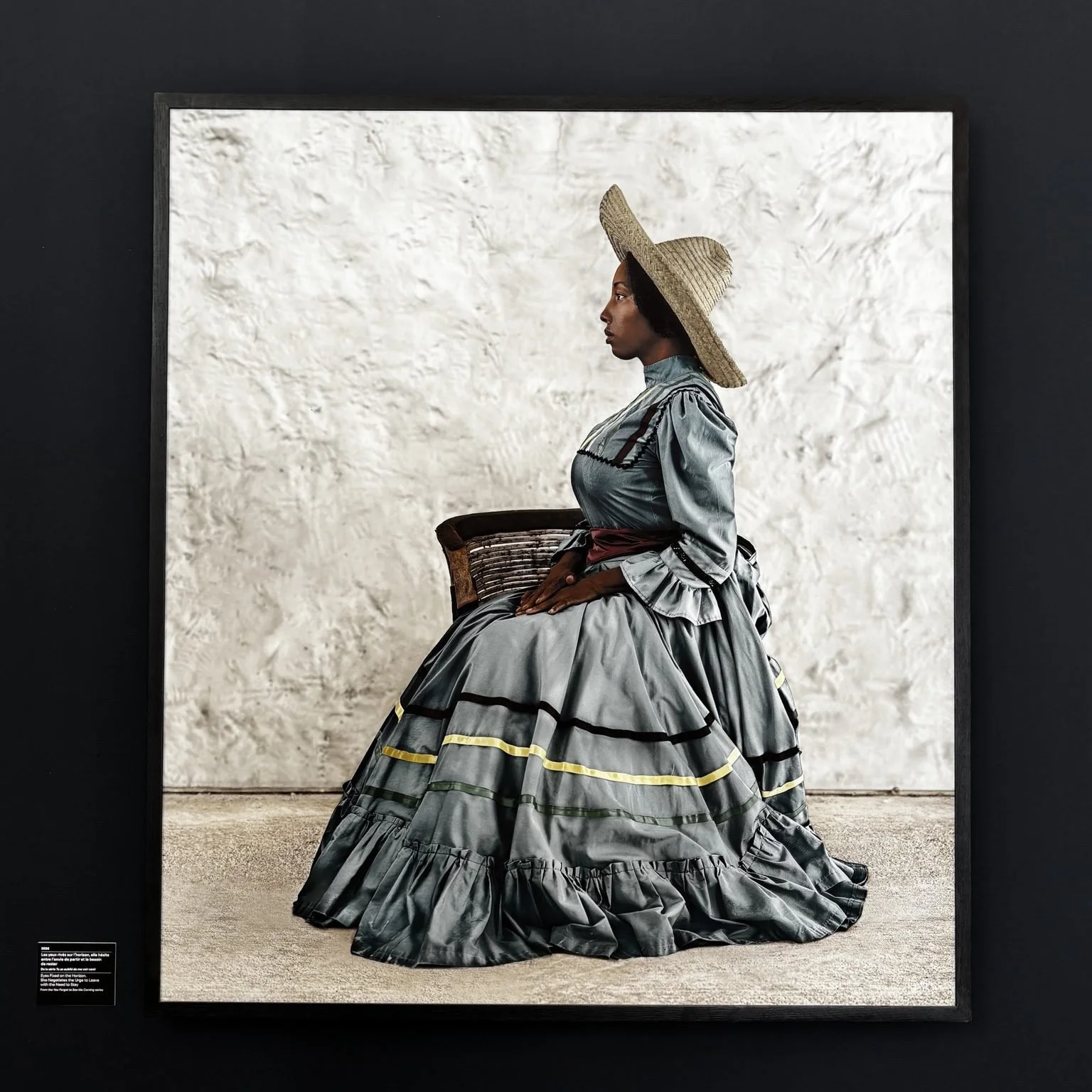
A.V. Jackson /2
Moreover, a troubling thought kept nagging at me. Every composition is so hyper-controlled, so meticulously calculated in terms of set, costume, and lighting, that it echoes the structure of a complex AI prompt. When staging becomes this synthetic, it raises an uncomfortable question: if fed the right parameters, wouldn't generative AI produce something strikingly similar?
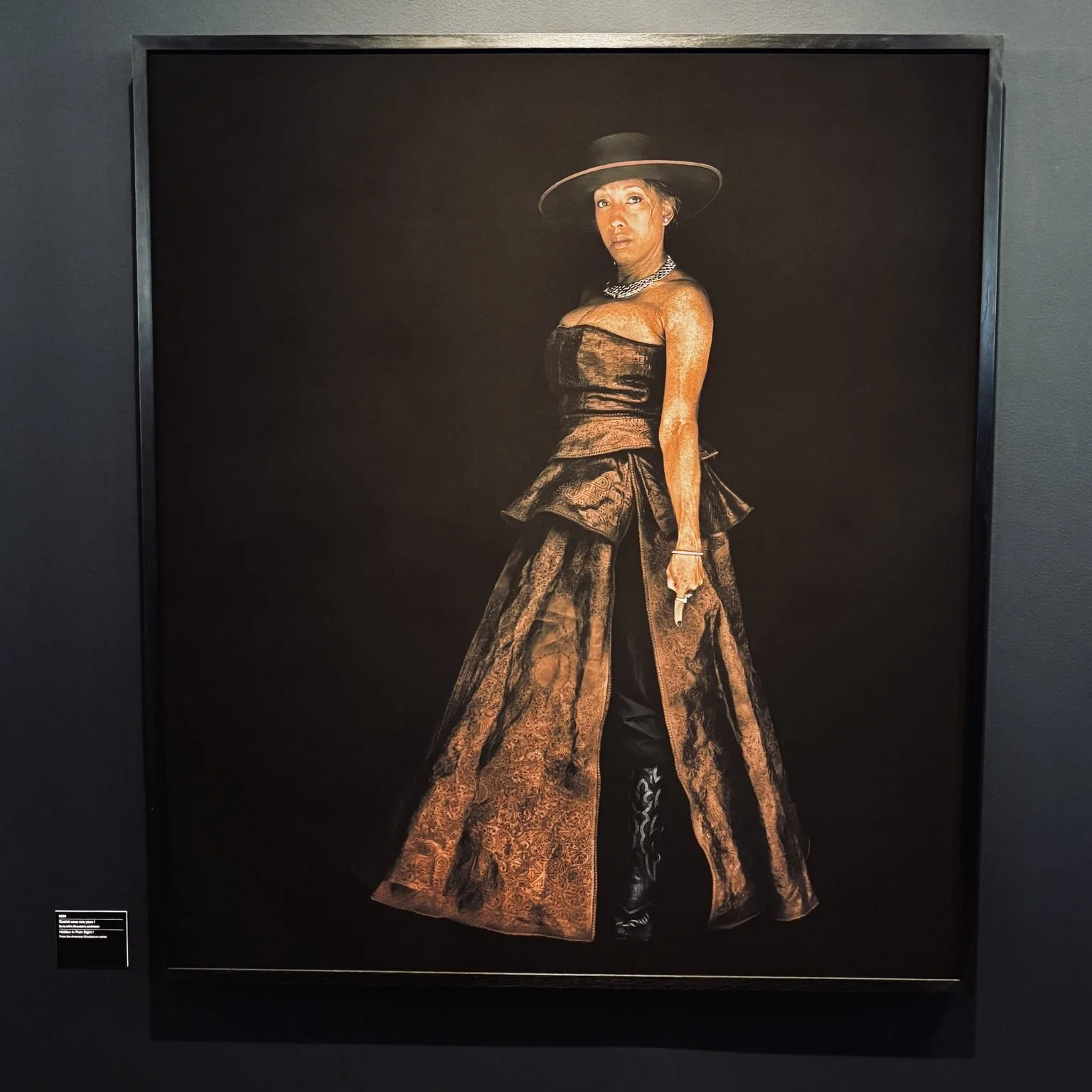
A.V. Jackson /3
Where Broyer’s calming greys capture the unscripted, living soul of the Mediterranean, Jackson’s staged worlds left me admiring the intellectual concept, but craving the weight of reality.
