
The "Ready-to-Exhibit": C/O Berlin and the Standardization of the Gaze

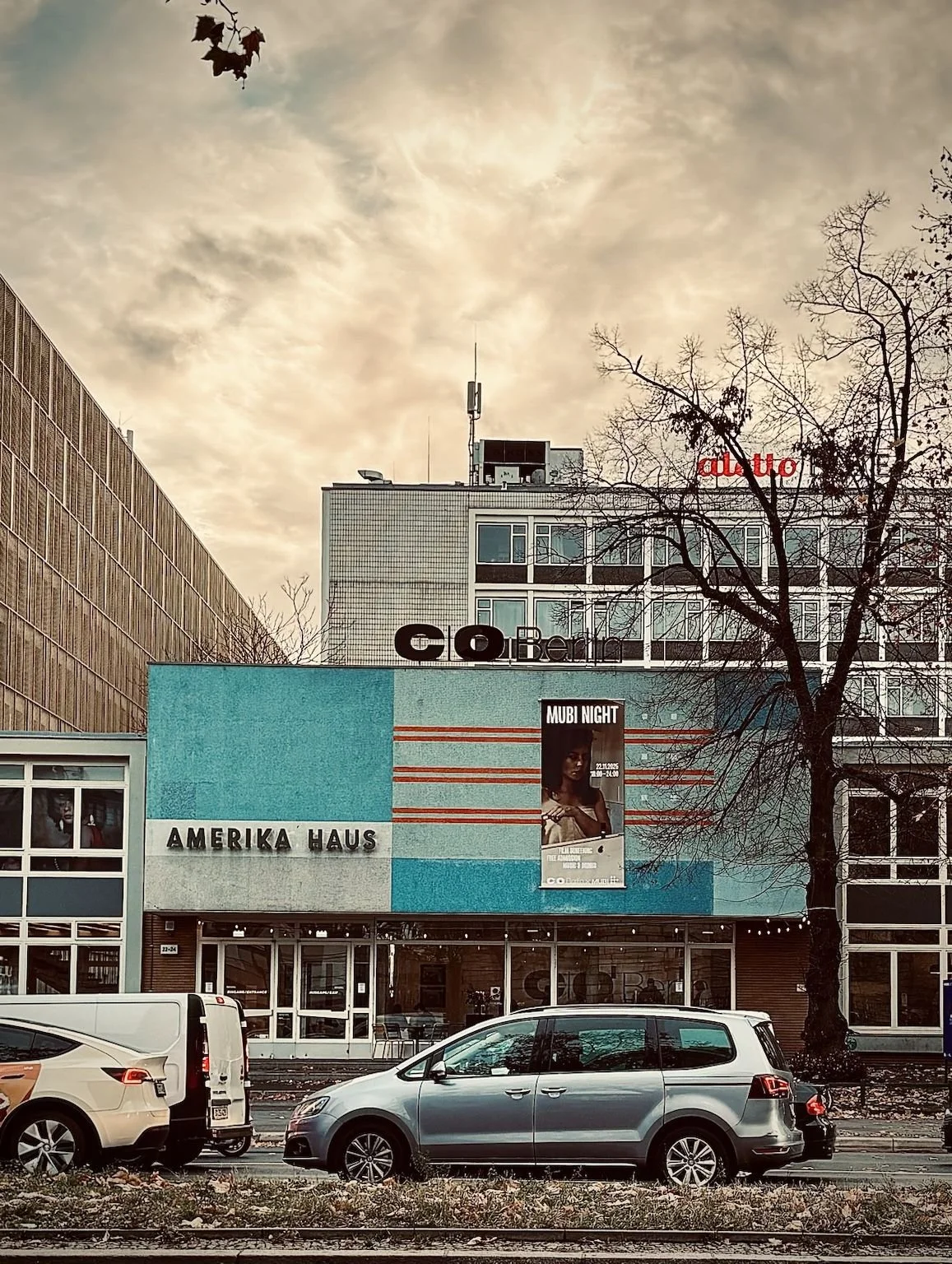
The image factory. The Paradox of Boredom
Crossing the threshold of C/O Berlin in the former Amerika Haus, I expected to be transported. Instead, an unexpected feeling took hold: I was bored. Despite the immense prestige of this institution, the sheer overload of technological displays—each more elaborate than the last—meant that I eventually stopped seeing the artworks themselves. Lost in this scenographic overkill, I realized that the visual codes (hypnotic alignments, studied shadow plays, and central structures) were already all too familiar.
My recent visits around the world confirm the existence of a global scenographic trend that ultimately saturates the gaze.
• Hypnotic Alignment: This repetition of frames, such as the circular series observed in Berlin, creates a highly effective visual rhythm. It immediately reminded me of the "Innervisions" exhibition at the TOP Museum in Tokyo. In the end, I remember the overall scene, admittedly beautifully "Instagrammable", but I have no memory of the photographic works on display. Using the same device in numerous locations to present talented artists who are otherwise very different ends up diluting the meaning of the creation and smoothing over the emotion.
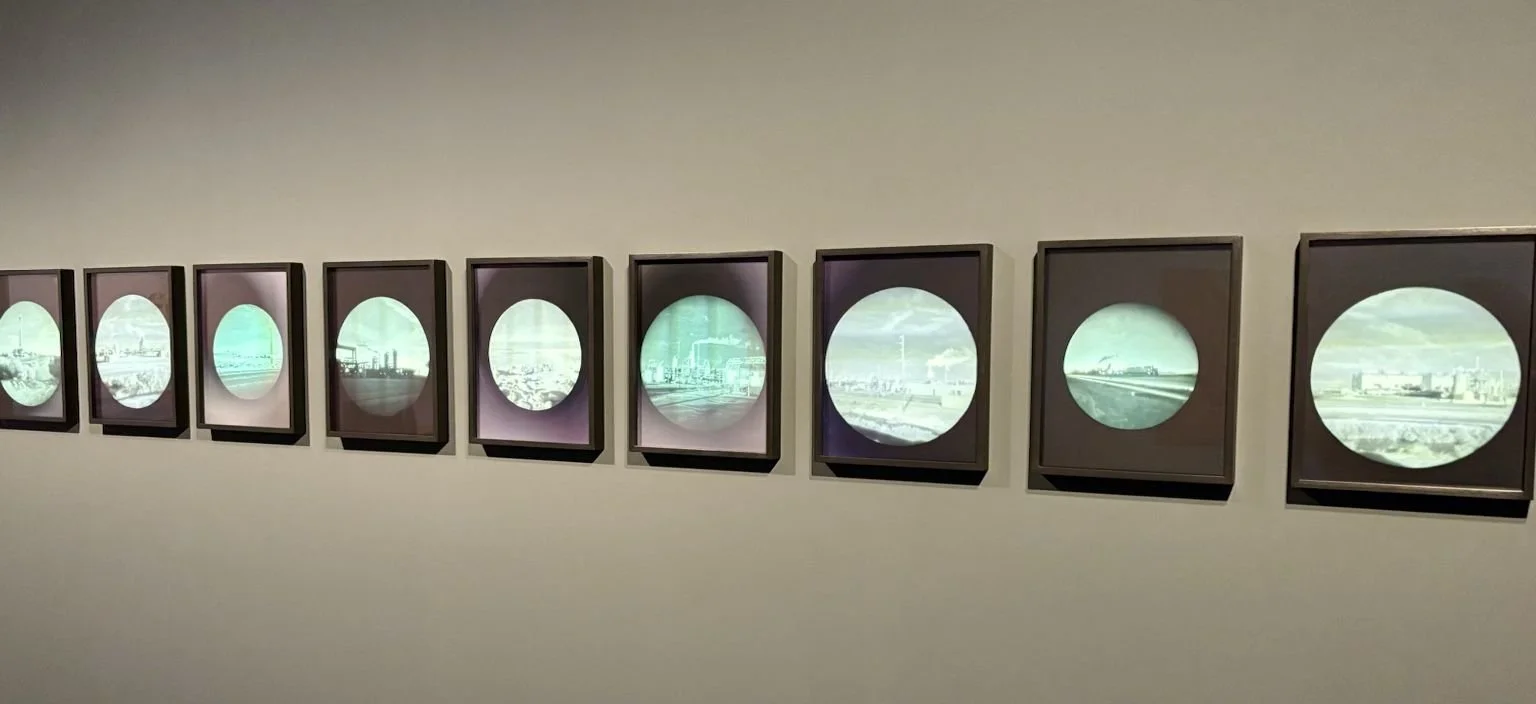
Image as Object. The Paradox of Substance
• The Image-as-Object: The trend of transforming a paper print into a luminous or digital device (as seen in Tokyo or at the Musée Albert Kahn in Paris) reinforces the visual impact of the hanging, but risks turning the work into a mere piece of technological decor.
The observation is troubling: why use the same devices for 19th-century archives at the Musée Albert Kahn and for contemporary photography in Tokyo or Berlin?
By striving to tick every box of standardized aesthetic modernity, scenography becomes a filter that hinders a direct dialogue with the image. At Albert Kahn, the staging still served a narrative journey. The dispersion of pavilions throughout the gardens, and the very act of exiting and entering each space, allowed for a mental reset between exhibitions. Furthermore, the entire theme was built upon a single photographic archive. Conversely, at C/O Berlin, moving from one room to another without a breath of air allows the container to devour the content.
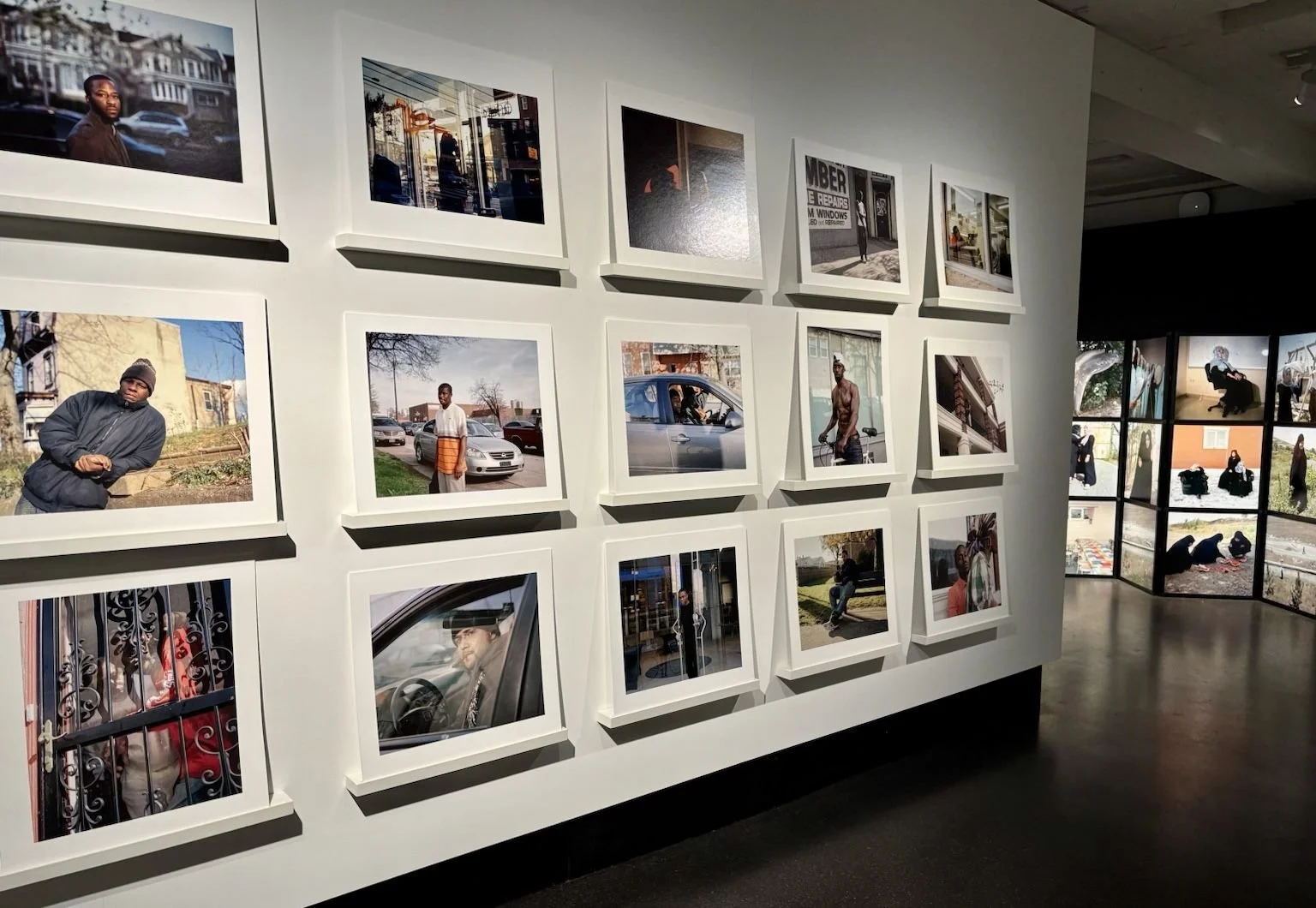
Higher, Faster, Stronger
The content is left with only one escape route: hitting the visitor's eye and mind harder and harder. This leads to another form of escalation: a need to shock, to solicit, or to tick every box in denouncing the excesses, aberrations, and injustices of the modern world.
I left this visit without remembering a single specific photograph. I did not linger on a grain, a light, or a color. I still felt emotion and compassion for the intentions and messages of some of the photographers. I visited an exhibition on themes of today's excesses and injustices, but I did not see their artistic creation.
