
798 Art District, Beijing

Some places seem to contain decades of history within their walls. The 798 Art District, in the northeast of Beijing, is one of them.
Born from the remnants of an industrial complex built in the 1950s with the help of East Germany, it has seen workers, artists, and now tourists succeed one another. Pipes, bricks, and monumental volumes remain, silent witnesses to a China in transition, from factory to gallery, from collective labor to individual creation.
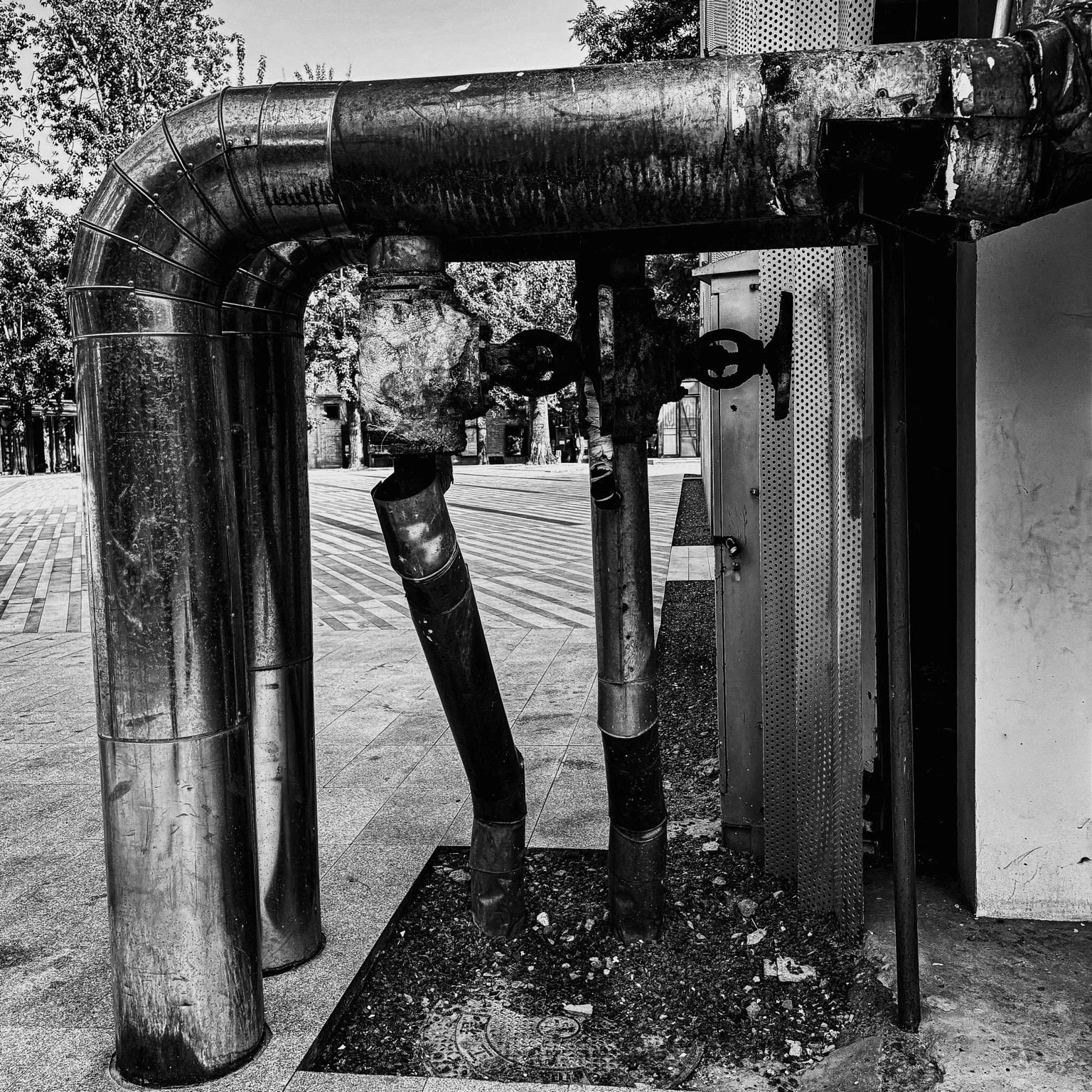
Echoes of Industrial Past
This setting, both raw and solemn, still carries the memory of a vanished world. The weathered walls, the metal structures, the vast hangars seem to converse with the past. Nothing here is smooth. It is a place of friction, of tension, of rebirth.
In these immense spaces, artists found a new breath: the freedom to experiment and develop avant-garde expression.
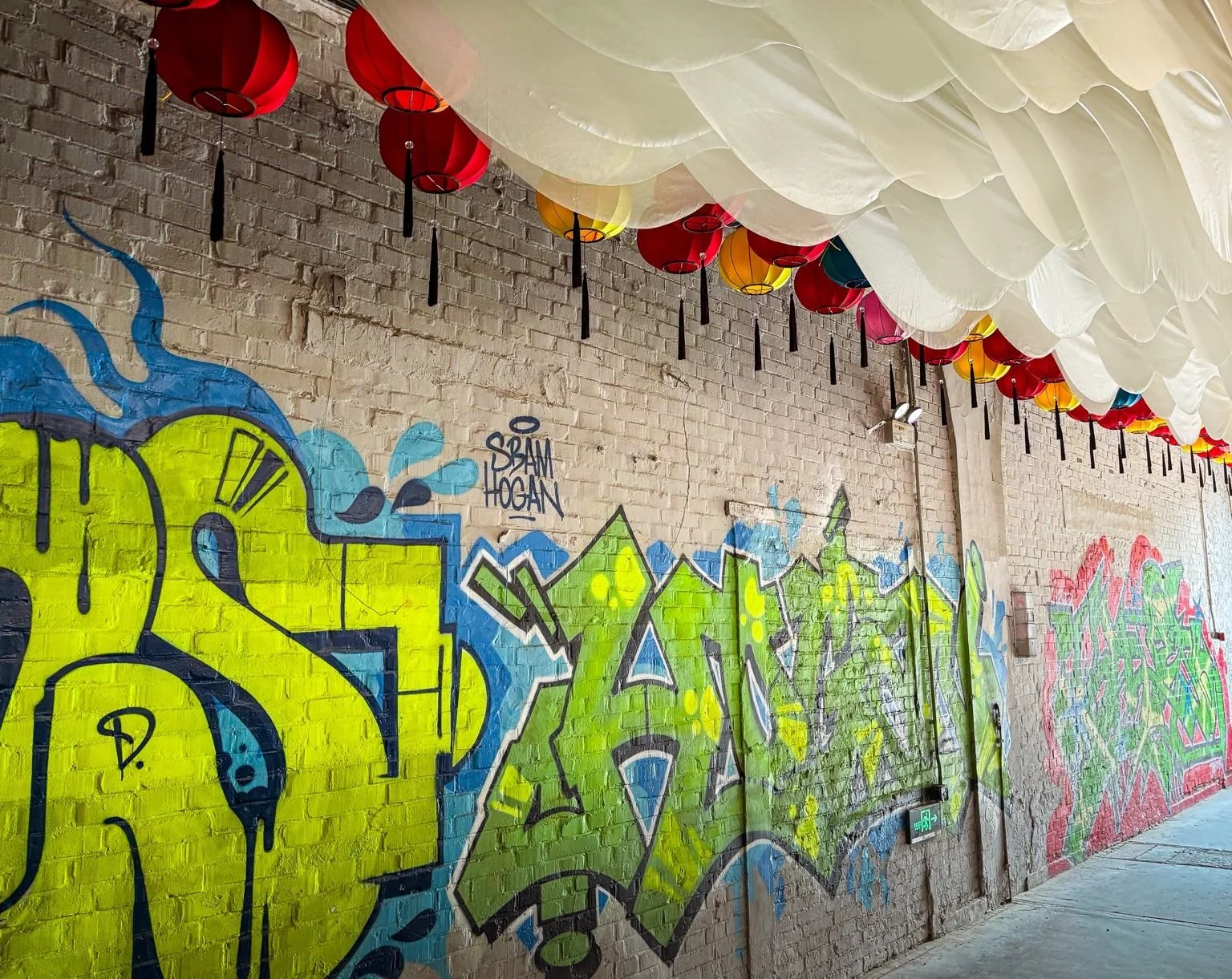
Graffiti and Chinese Lanterns, 798 Art District
Street art naturally took root here, as an extension of that same creative energy. Beneath the layers of paint lies a will to speak, to assert, to occupy space differently.
798 embodies the modernity of a Chinese contemporary art scene that began to invent its own visual language, between memory and effervescence. Tunnels have become open-air galleries, witnesses to a joyful, sometimes irreverent, and profoundly alive energy. Artist studios and art galleries followed. Perhaps it is precisely this vitality that eventually drew another audience, another gaze.
Today, the 798 Art District is changing. Boutiques, cafés, and concept stores are settling between the galleries. Tourists take selfies beneath industrial chimneys. Robot carts sell ice cream and drinks to visitors.
Art becomes a backdrop, a pretext, a souvenir to take home.
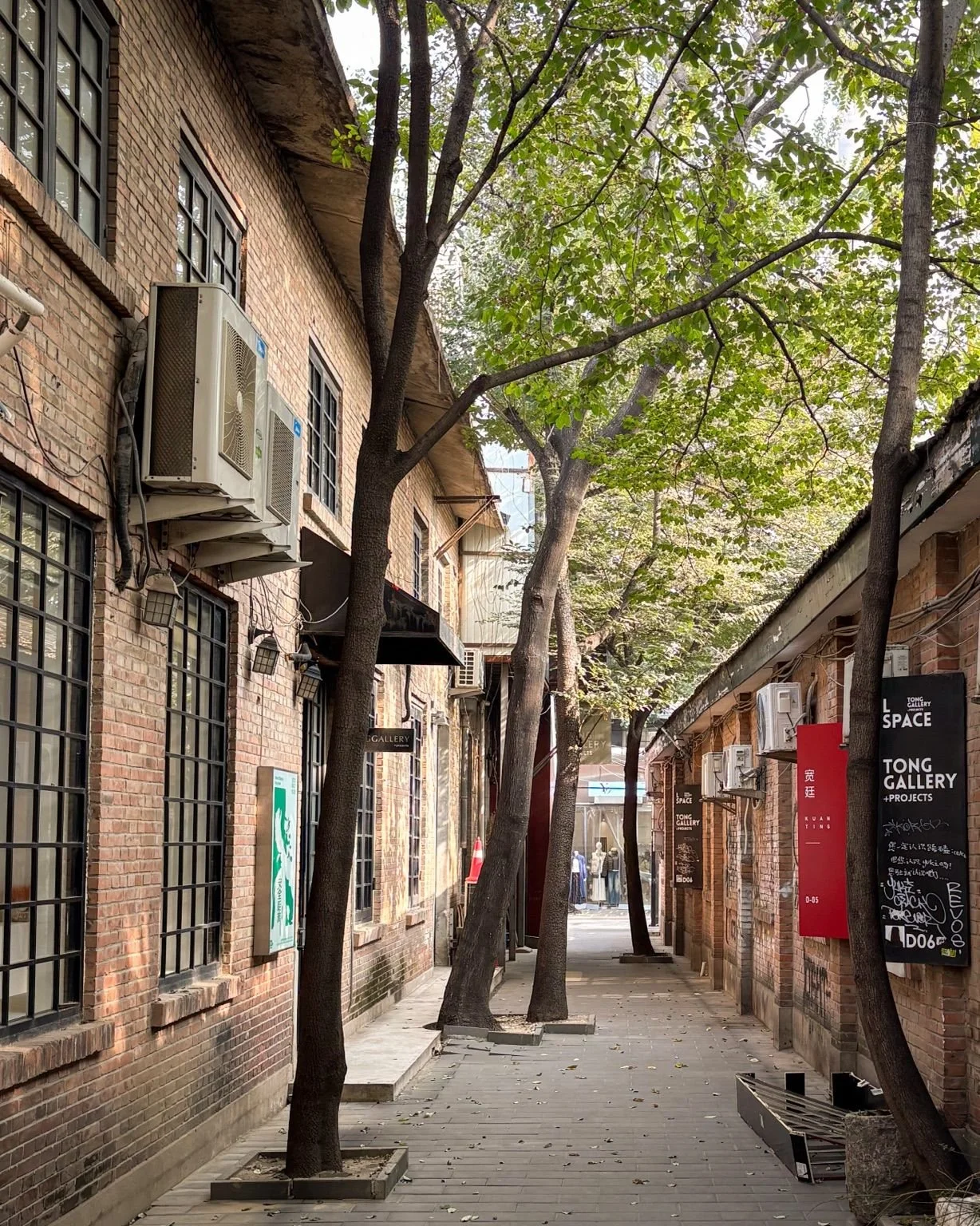
Galleries in an Old Alley, 798 Art District
And yet, one only needs to wander a bit further, down a quieter lane, to find what remains most precious here: a soft light on the walls, the distant sound of a studio, a feeling of peace.
Art here is still alive, discreet, but present, in this fragile coexistence between past and present.
